Landscaping Services · San Jose & South Bay

Poison Oak
Removal

Poison Oak Is One of the Most Persistent Plants in California — and One of the Most Important to Remove Correctly

✦ CA State Qualified Applicators License ✦ BBB Accredited Since 2013 ✦ Serving San Jose, Los Gatos & the South Bay ✦ Organic Removal Available ✦ Sequenced Process — Not a Single-Visit Fix

Why It Matters

A System Built Around How Poison Oak Actually Grows

If you've encountered poison oak on your property, you already know it isn't something you want to handle yourself. The urushiol oil that causes the allergic reaction is present in every part of the plant — leaves, stems, roots, and even dead plant material. What many homeowners don't realize is that cutting the plant back without treating it first almost always makes the problem worse.

Poison oak has an extensive root system with rhizomes running underground, and cutting to ground level without prior herbicide treatment typically stimulates vigorous regrowth rather than eliminating the plant. Effective removal requires a specific, sequenced process — and it takes time to do it right. All herbicide application is performed under the California State Qualified Applicators License held by Robert Apolinar, ensuring that products are selected, timed, and applied correctly for the specific conditions of each site.

Cutting corners in this process doesn't save time — it creates a more persistent infestation that requires more intervention over time.

Schedule Your Assessment
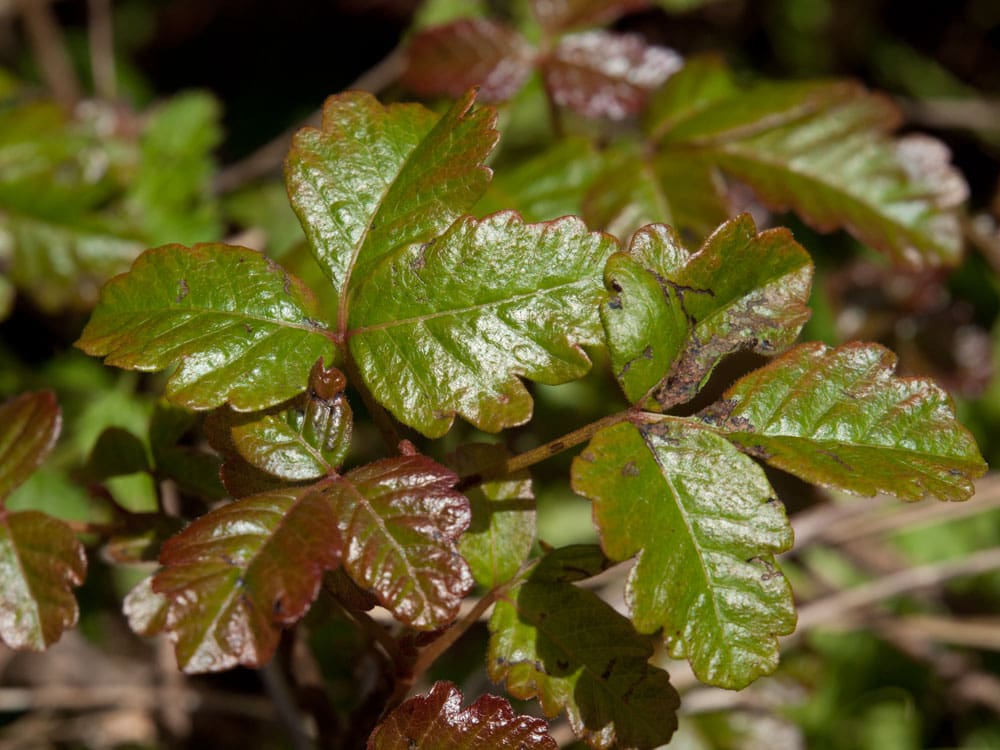
Professional poison oak removal on a San Jose property
CA State Licensed
Applicator

What We Know

Why Poison Oak Is Particularly Challenging to Eradicate

Poison oak spreads both through an extensive underground rhizome system and through seeds dispersed by birds and wind. Simply removing the visible above-ground plant addresses only part of the problem.

🌿

The Root System Problem

Cutting to ground level without prior herbicide treatment typically stimulates vigorous regrowth — often denser than the original infestation. Herbicide treatment kills the plant systemically, from foliage down through the root structure, which is why it precedes physical removal rather than following it.

⚠️

Dead Plants Still Cause Reactions

Even after the plant has completely died, urushiol oil remains potent. Dead plant material must be handled with the same precautions as living material — appropriate protective equipment, careful handling, and proper disposal. Nothing is burned — burning poison oak releases urushiol into the air and can cause severe respiratory reactions.

🐦

Ongoing Reinfestration Risk

Properties that back up to open space or riparian corridors are especially prone to reinfestration from seed dispersal by birds. Ongoing monitoring to catch small new specimens before they establish is the most practical long-term management approach after the initial removal is complete.

Is This Right for You?

Consider Professional Poison Oak Removal If:

If poison oak is limiting the use of your property or creating an exposure risk, the first step is a site evaluation to determine the extent of the infestation and the most appropriate approach.

  • Poison oak is present in areas of your property that you or your family use regularly — or want to use
  • You have a larger infestation that has spread across a significant portion of your lot, hillside, or estate
  • Previous attempts to remove it manually have resulted in regrowth or exposure
  • The infestation is near a waterway, organic garden, or other sensitive area that limits herbicide options
  • You want to establish a cleared perimeter and ongoing monitoring program to prevent reestablishment
  • The problem is time-sensitive — a child, pet, or family member with a known sensitivity is at risk from existing growth

"Our process is built around what actually eliminates the infestation — not just what clears it temporarily."

Don't Handle It Yourself

Urushiol transfers easily to skin, clothing, and tools — and remains potent on dead plant material. Professional removal with the right process and protective measures produces a significantly better outcome with far less personal risk.

(408) 422-1313

Our Process

Our Poison Oak Removal Process

A planned sequence — not a single visit. Every step designed around how the plant actually grows and responds to treatment.

01

Site Assessment

We evaluate the extent of the infestation, the growth stage of the plants, proximity to sensitive areas such as waterways or organic gardens, and any site-specific factors that will influence the approach. This assessment determines the appropriate removal method — organic, chemical, or a combination of both — and how the process will be sequenced.

02

Treatment Selection

Based on the site assessment, we determine the right approach for your property. Where herbicide treatment is appropriate, it is applied to kill the plant systemically before physical removal begins — significantly reducing regrowth from the root system. Where site conditions call for it, organic methods or a combined approach are used instead. Each option is described in detail in the section below.

03

Physical Removal

Ideally one to two months after herbicide treatment — once the plant is confirmed dead — we return for physical removal. Using heavy-duty equipment including tractors where the scale and terrain permit, along with hand tools for more precise work, we remove the above-ground plant material and as much of the root system as accessible. For organic or combined approaches, physical removal timing is adjusted accordingly. Thorough root removal at this stage reduces the likelihood of regrowth from surviving root sections.

04

Handling and Disposal

Even dead poison oak carries urushiol. All removed material is handled with appropriate protective equipment and disposed of properly. Nothing is burned — burning poison oak releases urushiol into the air and can cause severe respiratory reactions.

05

Follow-Up Monitoring

Ongoing monitoring is recommended following the initial removal to identify and address any new specimens emerging from wind-dispersed seeds or surviving root fragments. Catching small regrowth early is significantly easier than managing an established plant that has had time to reroot.

Removal Options

Three Approaches — One Right Fit for Your Property

Not every property calls for the same removal method. The right approach depends on site conditions, proximity to sensitive areas, and the scale of the infestation. We discuss all options during the initial assessment so you can make an informed decision.

🌱

Organic Removal

For properties where herbicide application is not appropriate — near waterways, organic gardens, or other sensitive areas — physical removal is the primary method. This involves careful excavation of above-ground plant material and as much of the root system as accessible, without the use of any chemical treatments. It requires more labor and typically more follow-up visits to catch regrowth from surviving root fragments, but it is fully effective when executed thoroughly and monitored consistently afterward.

🧪

Chemical Removal

Where site conditions allow, herbicide is applied to the foliage and woody stems of the poison oak plants before any physical removal takes place. This kills the plant systemically — including the root structure — so that when physical removal follows, the roots are no longer viable and regrowth is significantly reduced. All herbicide application is performed under the California State Qualified Applicators License held by Robert Apolinar. Summer is the optimal application window, though treatment is available year-round when the situation is urgent.

⚗️

Combined Approach

For larger or more complex infestations, a combined approach often produces the most thorough outcome. Herbicide treatment addresses the established root system and the densest areas of growth, while targeted physical removal handles areas where chemical application needs to be limited — such as zones adjacent to sensitive plantings or near property boundaries. This approach allows us to maximize effectiveness across the full extent of the infestation while still respecting site constraints.

What We Know

Why Poison Oak Is Particularly Challenging to Eradicate

Poison oak spreads both through an extensive underground rhizome system and through seeds dispersed by birds and wind. Simply removing the visible above-ground plant addresses only part of the problem.

🌿

The Root System Problem

Cutting to ground level without prior herbicide treatment typically stimulates vigorous regrowth — often denser than the original infestation. Herbicide treatment kills the plant systemically, from foliage down through the root structure, which is why it precedes physical removal rather than following it.

⚠️

Dead Plants Still Cause Reactions

Even after the plant has completely died, urushiol oil remains potent. Dead plant material must be handled with the same precautions as living material — appropriate protective equipment, careful handling, and proper disposal. Nothing is burned — burning poison oak releases urushiol into the air and can cause severe respiratory reactions.

🐦

Ongoing Reinfestration Risk

Properties that back up to open space or riparian corridors are especially prone to reinfestration from seed dispersal by birds. Ongoing monitoring to catch small new specimens before they establish is the most practical long-term management approach after the initial removal is complete.

Is This Right for You?

Consider Professional Poison Oak Removal If:

If poison oak is limiting the use of your property or creating an exposure risk, the first step is a site evaluation to determine the extent of the infestation and the most appropriate approach.

  • Poison oak is present in areas of your property that you or your family use regularly — or want to use
  • You have a larger infestation that has spread across a significant portion of your lot, hillside, or estate
  • Previous attempts to remove it manually have resulted in regrowth or exposure
  • The infestation is near a waterway, organic garden, or other sensitive area that limits herbicide options
  • You want to establish a cleared perimeter and ongoing monitoring program to prevent reestablishment
  • The problem is time-sensitive — a child, pet, or family member with a known sensitivity is at risk from existing growth

"Our process is built around what actually eliminates the infestation — not just what clears it temporarily."

Don't Handle It Yourself

Urushiol transfers easily to skin, clothing, and tools — and remains potent on dead plant material. Professional removal with the right process and protective measures produces a significantly better outcome with far less personal risk.

(408) 422-1313

Our Process

Our Poison Oak Removal Process

A planned sequence — not a single visit. Every step designed around how the plant actually grows and responds to treatment.

01

Site Assessment

We evaluate the extent of the infestation, the growth stage of the plants, proximity to sensitive areas such as waterways or organic gardens, and any site-specific factors that will influence the approach. This assessment determines whether herbicide treatment is feasible and what the appropriate sequencing will be.

02

Treatment Selection

Based on the site assessment, we determine the right approach for your property. There are three options: organic removal (physical excavation only, no chemicals — used near waterways, organic gardens, or other sensitive areas), chemical removal (herbicide applied to foliage and woody stems before physical removal, killing the plant systemically including the root structure), or a combined approach (herbicide where feasible, physical-only methods in constrained zones). Each option is explained in detail further down this page. Where herbicide is appropriate, summer is the optimal application window — though we address urgent situations year-round.

03

Physical Removal

Ideally one to two months after herbicide treatment — once the plant is confirmed dead — we return for physical removal. Using heavy-duty equipment including tractors where the scale and terrain permit, along with hand tools for more precise work, we remove the above-ground plant material and as much of the root system as accessible. Thorough root removal at this stage reduces the likelihood of regrowth from surviving root sections.

04

Handling and Disposal

Even dead poison oak carries urushiol. All removed material is handled with appropriate protective equipment and disposed of properly. Nothing is burned — burning poison oak releases urushiol into the air and can cause severe respiratory reactions.

05

Follow-Up Monitoring

Ongoing monitoring is recommended following the initial removal to identify and address any new specimens emerging from wind-dispersed seeds or surviving root fragments. Catching small regrowth early is significantly easier than managing an established plant that has had time to reroot.

Site-Specific Considerations

Adapting the Approach to Your Property

Every site is different. The approach adjusts to the specific conditions, constraints, and scale of each infestation.

Properties Near Waterways — where herbicide application is not appropriate due to proximity to water, complete physical removal including root extraction is the primary approach; more labor-intensive but still effective when executed thoroughly and followed up appropriately
Larger Lots and Hillsides — extensive infestations on larger parcels, slopes, or estates are managed with appropriate heavy equipment and a phased approach that addresses the full extent of the infestation rather than treating only the most visible areas
Organic Gardens and Sensitive Areas — we adjust our approach to protect nearby plantings, organic growing areas, and sensitive landscape elements using physical removal and targeted application methods that minimize exposure to non-target areas
Ongoing Seasonal Programs — scheduled monitoring and treatment programs for properties prone to reinfestration from neighboring open space, riparian corridors, or adjacent lots with existing growth

Our Difference

Why Homeowners Choose Us

Homeowners across San Jose choose professional poison oak removal because they want the work done safely, thoroughly, and by people who understand the plant well enough to address it effectively. Attempting removal without the right approach, protective protocols, and follow-through typically results in regrowth, exposure, or both.

Poison oak is extremely common throughout the South Bay — particularly on hillside properties, estate lots, and undeveloped parcels in areas like the western slopes of the Santa Cruz Mountains adjacent to Los Gatos and Saratoga. Understanding local growth patterns, the timing of California's poison oak seasonal cycle, and the site conditions common to properties throughout our service area allows us to approach each removal with a plan that reflects what actually works here.

"Complete eradication is rarely a single-visit outcome — but what the process delivers is a decisive reduction in the infestation and a management framework that prevents it from reestablishing at scale."

Schedule an Assessment
📜
CA State Licensed Application

All herbicide application is performed under the California State Qualified Applicators License held by Robert Apolinar — product selection, timing, and application all handled by licensed, trained professionals.

🔬
Biology-Based Process

Whether organic, chemical, or a combined approach, every method we use is built around how poison oak actually grows and responds. The right option depends on your site — and we'll explain exactly why we recommend what we do.

🛡️
Proper Handling & Disposal

All removed material is handled with full protective equipment and disposed of correctly. No burning — ever. Every step of the removal protects your family, our crew, and neighboring properties.

📍
South Bay Site Knowledge

Hillside properties, riparian corridors, and proximity to open space all shape how infestations behave here. Our experience across Los Gatos, Saratoga, and San Jose means recommendations grounded in local conditions.

Common Questions

Frequently Asked Questions — Poison Oak Removal

Why can't I just cut the poison oak down myself?

Cutting poison oak without prior herbicide treatment almost always stimulates aggressive regrowth from the root system — typically resulting in a denser infestation than the original. Beyond the regrowth problem, handling the plant without proper protective equipment and protocols creates serious exposure risk. The urushiol oil is present in all parts of the plant at all times of year, transfers easily to skin, clothing, and tools, and remains potent on dead plant material for an extended period. Professional removal with the right process and protective measures produces a significantly better outcome with far less personal risk.

How long does the full removal process take?

The most effective approach involves at least two visits — an initial herbicide treatment, followed by physical removal approximately one to two months later once the plant is confirmed dead. For larger infestations or sites where herbicide isn't feasible and complete physical removal is the primary method, the timeline and number of visits will be discussed during the initial assessment. Rushing the process reduces effectiveness, so we plan the timeline around what the specific situation requires.

Is it safe to be on my property after herbicide treatment?

We'll give you specific guidance based on the products used and the areas treated. Generally, treated areas should be avoided until the application has dried, and we'll communicate any additional precautions clearly before we leave the site. For properties with children or pets, we take particular care to explain what's been applied, where, and how long to stay clear.

Can poison oak be removed near a vegetable garden or waterway?

Yes, though the approach changes. Where herbicide application isn't appropriate due to proximity to water or organic growing areas, physical removal becomes the primary method — which requires more labor but can still be effective when executed thoroughly and followed up appropriately. We assess site constraints during the initial evaluation and develop a plan that addresses the infestation without putting surrounding sensitive areas at risk.

Will poison oak come back after removal?

It can, through two pathways — surviving root fragments that weren't fully removed, and seeds dispersed by birds or wind from off-property sources. The herbicide-then-removal sequence significantly reduces regrowth from root material. Wind and bird dispersal is an ongoing reality for properties near open space, riparian corridors, or neighboring lots with existing growth. Ongoing monitoring to catch small new specimens before they establish is the most practical long-term management approach, and we recommend scheduling periodic checks in the seasons following the initial removal.

Remove It Safely.
Keep It Gone.

If poison oak is limiting the use of your property or creating an exposure risk, the first step is a site evaluation to determine the extent of the infestation and the most appropriate approach. We'll tell you exactly what we're dealing with and what it will take to address it correctly.
