 Skip to content

As we look toward 2026, the familiar challenges of caring for trees on the Monterey Peninsula are intensifying. The cycle of prolonged drought followed by severe atmospheric rivers demands a smarter, more proactive approach to tree management. For homeowners, this means the old "wait and see" method is no longer enough to protect your property and its valuable trees.
This guide outlines the 6 tree care essentials for 2026 every Monterey homeowner should know. We'll move beyond basic trimming tips to provide actionable strategies that address our region's specific challenges, from rising storm damage to increased scrutiny from insurance companies. You will learn how to safeguard your home, enhance your landscape's resilience, and make informed decisions that protect your investment for years to come.
1. Storm Damage Is Rising—And So Are Emergency Calls
With tree-related emergency service calls jumping 120% after recent storms, it's clear that Monterey homeowners can expect more disruptions from wind events in 2026. This stark increase means that regular, professional tree inspections are no longer optional—they are essential. This is especially true if you have large oaks, pines, or older ornamental trees near your home.
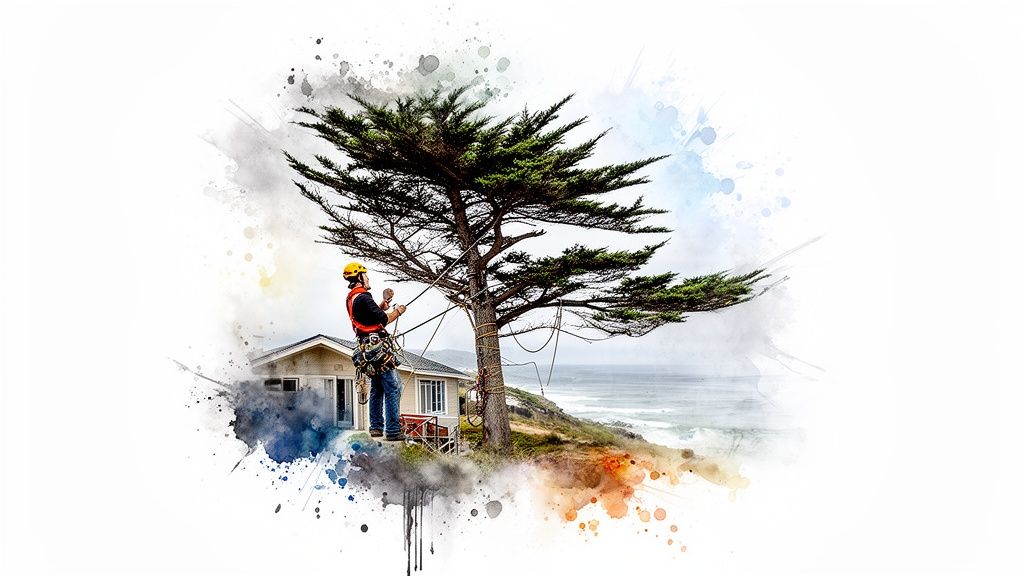
A proactive assessment from a certified expert identifies hidden risks before a storm turns them into catastrophic failures. This preventative step is the first and most critical of the 6 tree care essentials for 2026 every Monterey homeowner should know. It's about shifting from reactive cleanup to proactive risk management.
Why It Matters in 2026 for Monterey
The intense cycle of drought followed by soil-saturating storms creates perfect conditions for tree failure. Roots stressed by dry conditions struggle to anchor themselves in waterlogged soil, making even healthy-looking trees unstable and prone to uprooting during high winds.
Actionable Scenarios: What an Assessment Uncovers
A professional tree risk assessment can identify critical issues before they escalate:
- Weakly Attached Limbs: Spotting a co-dominant stem on a mature Monterey Pine that is prone to splitting under high winds.
- Compromised Roots: Assessing the root stability of a large Coast Live Oak near a foundation after a season of heavy rainfall has saturated the ground.
- Disease or Decay: Identifying signs of fungal growth or internal decay that weaken a tree’s core strength, making it a high-risk hazard.
- Structural Imbalance: Recognizing improper weight distribution from past, incorrect pruning that could lead to catastrophic failure during a storm. You can learn more about proper pruning techniques to avoid these mistakes.
Pro Tip: Schedule your tree assessment in the late summer or early fall. This gives you ample time to address any identified issues before the winter storm season arrives, ensuring your property is prepared and protected.
2. Insurance Companies Are Paying Attention
The financial impact of storm damage has not gone unnoticed. With over $25M in recent tree damage claims filed, insurance carriers are increasingly scrutinizing whether a homeowner performed reasonable and preventative maintenance before a loss occurred. Staying proactive with professional tree services can help reduce the likelihood of claim disputes and protect your property from preventable damage.
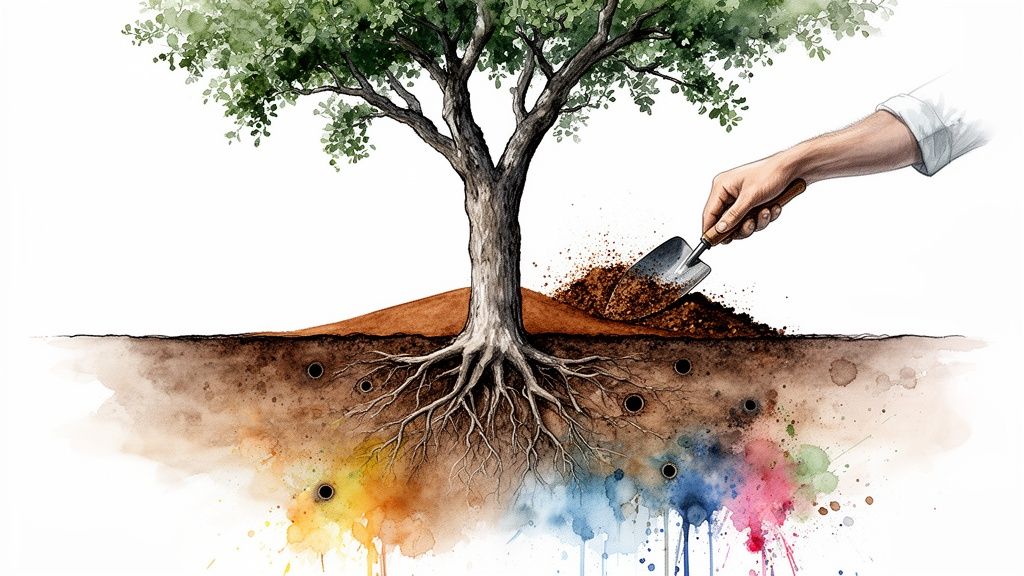
Documenting regular inspections, pruning, and any recommended structural support work provides clear evidence of due diligence. This record can be invaluable if you ever need to file a claim, demonstrating that you took responsible steps to mitigate foreseeable risks.
Why It Matters in 2026 for Monterey
As claim costs rise, insurers are tightening their underwriting standards. A history of neglecting large trees, especially those near your home or a neighbor's property, could be viewed as negligence. A documented maintenance plan from a licensed contractor like San Jose Tree Service & Landscaping (CSLB #985639) shows you are a responsible property owner.
Actionable Scenarios: How Proactive Care Helps with Insurance
- Pre-Storm Pruning: Thinning the canopy of a large cypress to reduce wind resistance is a documented action that lowers risk.
- Hazardous Limb Removal: Removing a dead, heavy limb overhanging your driveway is a clear sign of proactive maintenance.
- Cabling and Bracing: Installing support cables on a valuable multi-trunk oak demonstrates a commitment to preserving the tree and protecting your home.
- Post-Damage Documentation: When damage does occur, understanding a complete guide to property damage assessment is crucial, but having a history of prior care strengthens your case.
Pro Tip: Keep a digital file of all invoices and arborist reports for your property. This simple step creates a clear maintenance history that can be easily shared with your insurance agent if needed. To get ahead of potential issues, learn more about how to prevent tree damage before the next big storm in San Jose.
3. Climate Stress Weakens Even Healthy Trees
The region’s volatile weather pattern—long periods of drought followed by intense atmospheric rivers—causes hidden structural issues in trees. For Monterey homeowners, this means that even a tree that looks lush and healthy on the surface may be dangerously compromised below ground or within its core. This invisible stress makes professional assessment and care a necessity.
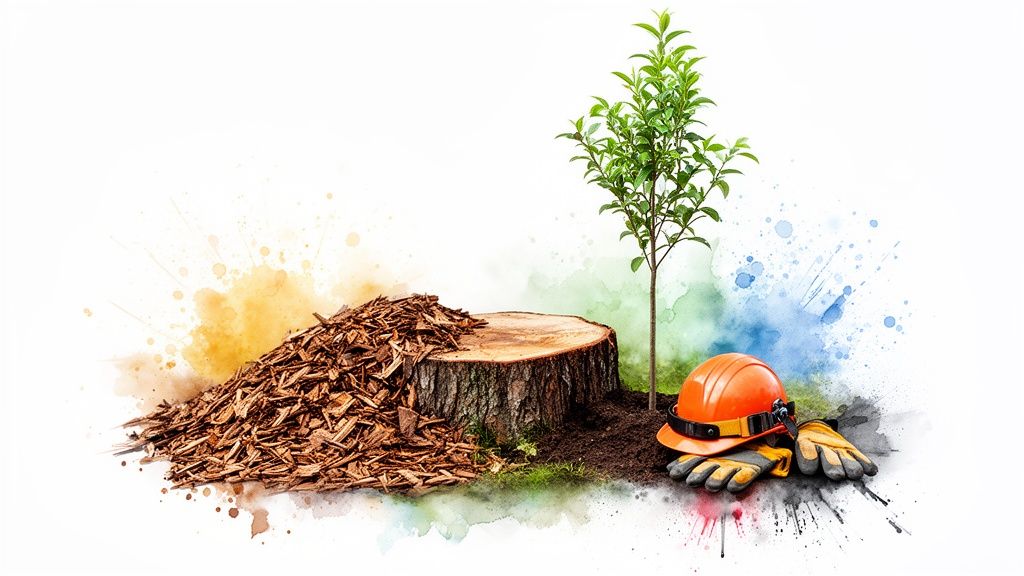
Trees that endure drought often develop smaller, weaker root systems. When sudden, heavy rains saturate the soil, these compromised roots can fail to anchor the tree, leading to unexpected uprooting. This makes hazard assessment, proper pruning, and canopy thinning essential to withstand the upcoming winter storm systems.
Why It Matters in 2026 for Monterey
By 2026, the cumulative effect of these climate swings will have taken a toll on our local urban forest. Trees that have survived for decades may now have vulnerabilities that only a trained arborist can detect. Understanding this is a key part of responsible homeownership in a changing climate.
Actionable Scenarios: Addressing Climate-Stressed Trees
- Soil and Root Care: Aerating compacted soil and applying organic mulch can help a tree's root system recover and regain strength.
- Canopy Thinning: Strategically thinning the canopy reduces the "sail effect," lessening the wind load on a tree with a potentially weakened root system.
- Deep Root Watering: During dry periods, providing slow, deep watering helps maintain root health and prevents the severe stress that leads to decline.
- Pest & Disease Monitoring: Stressed trees are more susceptible to pests and diseases. Regular monitoring is crucial for early intervention. For more information, see our guide to pest and disease management of trees and plants.
Pro Tip: Pay close attention to your trees in the late summer and early fall. Signs of stress like early leaf drop, thinning canopy, or dead twigs at the tips of branches can indicate underlying issues that need professional evaluation before winter.
4. Healthy Landscapes Start With Safe Trees
A beautiful, functional, and sustainable landscape is built around the health and safety of its largest features: your trees. Before investing in new garden beds, pathways, or an irrigation system, it is crucial to first evaluate the condition of your existing trees. A compromised tree can undermine your entire landscaping project through falling limbs, invasive roots, or excessive shade.
This "trees first" approach is a critical bridge concept among the 6 tree care essentials for 2026 every Monterey homeowner should know. The health of your trees directly influences drainage, irrigation efficiency, and the survival of surrounding plants. Addressing tree safety and health upfront ensures your landscaping investment is built on a solid, secure foundation.
Why It Matters in 2026 for Monterey
As more homeowners transition to water-wise landscapes, understanding the interplay between trees and understory plantings is essential. For example, removing a large tree can drastically change the light and water conditions for the plants below. Conversely, a large, healthy oak can provide beneficial shade that helps smaller native plants thrive with less water. For more local guidance, see our landscape contractor tips for Monterey's new water rules.
Actionable Scenarios: Integrating Tree Care with Landscaping
- Pre-Project Assessment: Before installing a new patio, have an arborist assess the roots of a nearby tree to prevent future damage to the hardscape.
- Pruning for Sunlight: Selectively prune a dense canopy to allow more sunlight to reach a new drought-tolerant garden bed below.
- Root Zone Protection: During landscape construction, establish a clear "no-go" zone around the base of mature trees to prevent soil compaction and root damage.
- Strategic Removal for Renewal: Removing a diseased or poorly placed tree can open up space for a more functional and beautiful landscape design that aligns with your property goals.
Pro Tip: When planning a landscape project, involve a certified arborist and a landscape contractor early in the process. This collaborative approach ensures that your vision for the yard works in harmony with the long-term health and safety of your trees.
5. Professional Assessments Prevent Costly Repairs
The most effective way to manage the risks and costs associated with large trees is through regular, professional evaluations. San Jose Tree Service & Landscaping offers certified arborist assessments that identify potential hazards early, helping homeowners avoid catastrophic failures that lead to roof damage, blocked driveways, or fallen limbs during storms.
The benefit of this proactive service is simple: peace of mind and fewer emergency expenses. An assessment provides you with a clear, prioritized action plan for managing your trees, allowing you to budget for routine maintenance instead of facing sudden, costly emergency work. It's a small investment that protects you from much larger financial and emotional stress down the road.
Why It Matters in 2026 for Monterey
With the increasing severity of storms, the potential cost of inaction is higher than ever. A single fallen oak can cause tens of thousands of dollars in damage to a home, not to mention the cost of removal and cleanup. A professional assessment is the most cost-effective tool a homeowner has to mitigate these significant financial risks.
Actionable Scenarios: What an Assessment Prevents
- Preventing Roof Damage: Identifying and removing a heavy, overextended limb poised to fall on your house during a windstorm.
- Avoiding Driveway Obstruction: Spotting a critical structural flaw in a tree next to your driveway, allowing for its safe removal before it falls and traps your vehicles.
- Protecting Outdoor Spaces: Recommending the pruning of dead branches over a patio or play area to ensure the safety of your family and guests.
- Saving a Valuable Tree: Diagnosing a treatable condition early, allowing for intervention that saves a beloved heritage tree from needing removal later.
Pro Tip: Think of a tree assessment like a regular home inspection. Scheduling one every 2-3 years, or after a major storm, is a fundamental part of responsible property maintenance.
6. Safe Tree Removal is a Non-Negotiable Last Resort
While preservation is always the primary goal, sometimes tree removal is the only responsible option. A dead, dying, or structurally unsound tree is a significant liability that poses a direct threat to your home, family, and neighbors. When an arborist determines a tree cannot be safely saved, professional removal is essential for safety and landscape renewal.
This is not a DIY project. Safe and effective tree removal, especially in tight residential spaces, requires a highly skilled, licensed, and insured team. A professional tree removal contractor uses specialized equipment and technical rigging to dismantle a tree piece by piece, ensuring no damage to surrounding property.
Why It Matters in 2026 for Monterey
Given the increasing storm activity and climate stress on local trees, more homeowners will face the difficult decision of removal. Knowing when to make that call and who to trust for the job is a critical piece of the puzzle. Prompt removal of a hazardous tree is a proactive safety measure that protects you from liability and prevents a predictable accident.
Actionable Scenarios: When Removal is the Right Choice
- Advanced Disease: A Coast Live Oak is confirmed to have Sudden Oak Death, making it unstable and a source of infection for other trees.
- Severe Storm Damage: A winter storm has split the main trunk of a large pine, rendering it structurally unsound and beyond repair.
- Root System Damage: Construction or trenching has severed major anchoring roots, making a tree unstable and likely to fall.
- Unresolvable Hazard: A tree is leaning dangerously toward your home, and pruning cannot correct the fundamental risk.
Pro Tip: After a tree is removed, always opt for stump grinding. Leaving a stump creates a tripping hazard, can attract pests like termites, and prevents you from replanting in that area. Learn more about how to effectively remove tree stumps to complete the renewal of your landscape.
Conclusion: Take Proactive Steps to Protect Your Property
The way we care for our trees in Monterey must evolve with our changing climate. The 6 tree care essentials for 2026 every Monterey homeowner should know provide a clear roadmap for shifting from a reactive to a proactive mindset. By embracing regular professional assessments, understanding the impact of climate stress, and recognizing the link between tree health and your overall landscape, you can effectively protect your property's value, safety, and beauty.
Investing in preventative care with a licensed and accredited professional is no longer a luxury—it is a fundamental part of responsible homeownership. Taking action today will save you from costly emergency repairs tomorrow and provide you with invaluable peace of mind.
If you're a homeowner in Monterey, Salinas, Pacific Grove, Seaside, or the Central Coast, and you're preparing for the 2026 storm season, we’d love to help you protect your trees and your property. The certified arborists and landscape experts at San Jose Tree Service & Landscaping are ready to help. Schedule a safety assessment today and feel confident heading into winter.
Frequently Asked Questions (FAQs)
1. How often should I have my trees inspected by an arborist?
For mature trees, especially near your home, we recommend a professional inspection every 2-3 years. You should also schedule an assessment after any major storm event to check for new damage.
2. Is it better to prune my trees before or after the rainy season?
It's best to prune most trees in the late fall or winter when they are dormant. This timing also ensures your trees are prepared with a reduced canopy before the strongest winter winds arrive.
3. Can a tree that looks healthy still be dangerous?
Absolutely. Many serious issues, such as root rot, internal decay, or structural weaknesses from past damage, are not visible to the untrained eye. This is why a professional assessment is so crucial.
4. My neighbor has a dangerous-looking tree. What should I do?
We recommend first speaking with your neighbor directly and sharing your concerns in a friendly manner. If that doesn't resolve the issue, you can consult with a certified arborist to get a professional opinion on the tree's condition.
5. How can I tell if my tree is drought-stressed?
Signs of drought stress include wilting or yellowing leaves, a thinning canopy, premature leaf drop, and dead branches at the top of the tree. If you see these signs, a deep, slow watering and professional evaluation are recommended.
