 Skip to content

Residents of the Central Coast know that California’s water limits are reshaping how landscapes are designed. For landscape contractors, the shift towards sustainability is the new standard. Monterey County’s fog-heavy mornings and the Salinas Valley’s hot, dry afternoons create extreme performance differences that generic advice fails to address.
This guide provides actionable, expert-backed landscape contractor tips for Monterey’s new water rules. We will cover everything you need to succeed, from mastering local ordinances to implementing smart irrigation and leveraging native plant palettes proven to perform in Central Coast conditions.
Hiring a non-local contractor risks installing thirsty plants or inefficient irrigation that fails within a season, wasting both water rebates and project budgets. Let’s explore how to transform these regulations into a competitive advantage, deliver exceptional value, and protect our region’s most precious resource.
1. Comply with Monterey County’s Landscape Water Conservation Ordinance (LWCO)
The Monterey County Landscape Water Conservation Ordinance (LWCO) is a foundational regulation for any new or renovated landscape project. This ordinance establishes mandatory standards for soil preparation, irrigation efficiency, and plant selection. For landscape contractors, adhering to the LWCO isn’t just a best practice—it’s a legal requirement for project approval.
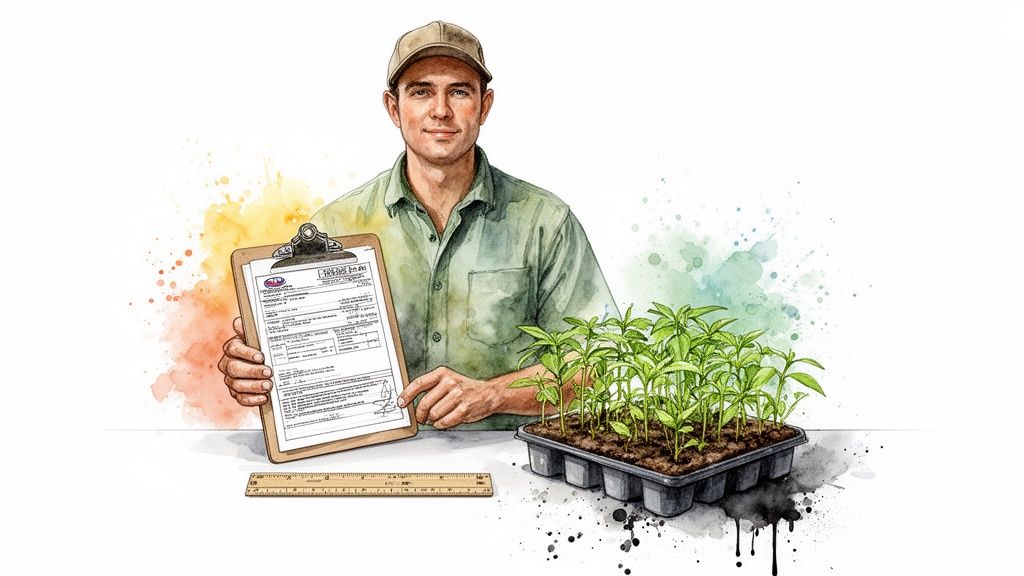
Non-compliance can lead to rejected permits, costly delays, and penalties for your client. As new water regulations take effect, the focus on compliance will only intensify. For more on upcoming changes, read about how 2026 will redefine landscape installation.
Why It’s a Top Priority
The LWCO is designed to ensure landscapes are water-efficient from the ground up, dictating the maximum allowable water allowance (MAWA) for a property. It often restricts turf to functional areas and requires that a high percentage of plants be low-water-use species. Proactive compliance demonstrates your expertise and protects clients from future issues.
Actionable Tips for LWCO Compliance
To integrate LWCO standards seamlessly into your workflow, follow these expert-backed landscape contractor tips for Monterey’s new water rules:
- Pre-Bid Ordinance Review: Before any bid, review the latest Monterey County LWCO to ensure cost estimates for soil, irrigation, and plants are accurate.
- Develop a Compliant Plant Palette: Create a master list of pre-approved, low-water plants that thrive in Monterey’s microclimates. Grouping plants by hydrozone (water needs) is a core requirement.
- Provide a Written Maintenance Plan: The LWCO often requires a maintenance schedule. Include a detailed plan outlining irrigation, mulch replenishment, and proper care.
- Document Everything: Maintain meticulous records of soil tests, irrigation specs, and plant lists. This documentation is invaluable for inspections and client hand-offs.
2. Install Smart Irrigation Controllers and Soil Moisture Sensors
Transitioning from outdated timer-based systems to modern, responsive technology is a cornerstone of water-efficient landscaping. Smart irrigation technology, including WiFi-enabled controllers and in-ground soil moisture sensors, automatically adjusts watering based on real-time data. This significantly reduces overwatering and ensures compliance with Monterey County’s mandates.
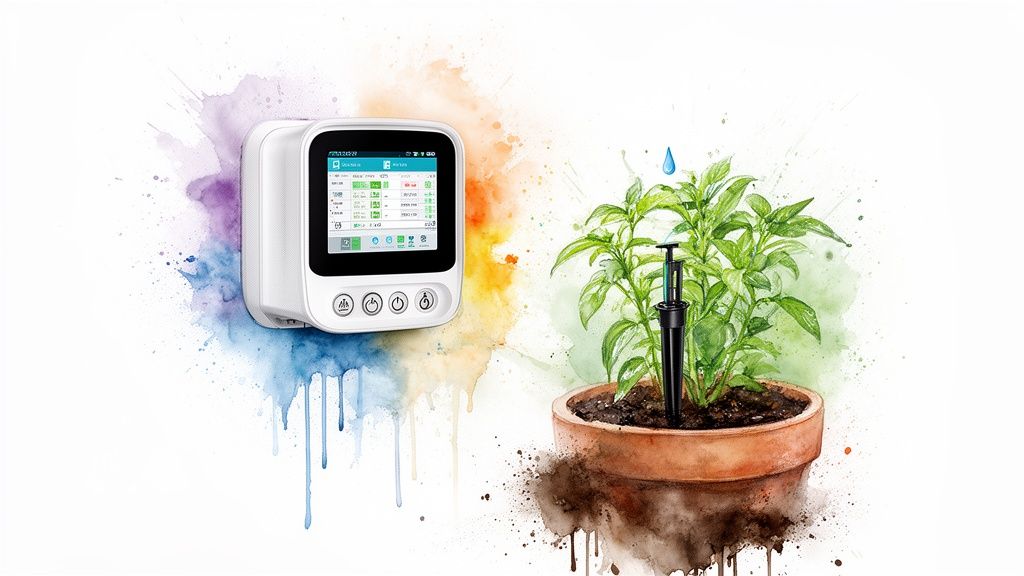
Unlike traditional controllers, smart systems pull data from local weather stations to pause irrigation during rain or adjust run times. When paired with soil moisture sensors, the system waters only when the ground is dry, promoting deeper, healthier root growth. According to industry data, outdoor water use can be reduced by up to 50% with drought-tolerant landscaping and efficient irrigation (Source: San Jose Tree Service & Landscaping Content Intelligence Report, 2024).
Why It’s a Top Priority
Water waste from inefficient irrigation is a primary target of new regulations. Smart irrigation controllers directly address this by applying water only when and where it is needed. Installing this technology provides clients a tangible return on investment through lower water bills and helps them stay within their property’s MAWA.
Actionable Tips for Smart Irrigation Installation
To successfully integrate smart irrigation technology, consider these strategies:
- Bundle as a Premium Service: Frame smart irrigation upgrades as a premium package. Explain how the upfront cost is offset by long-term water savings and guaranteed compliance.
- Provide a Simple Homeowner Guide: Offer clients a one-page guide for their new system that covers basic functions and includes your contact information.
- Schedule a System Walkthrough: Plan a brief post-installation visit to review the system with the homeowner and ensure seasonal settings are optimized.
- Document Controller and Sensor Placement: Keep detailed records, including photos and diagrams, of all controller settings and sensor locations. Learn more by reviewing irrigation management best practices.
3. Design Landscapes Using Native and California-Friendly Plant Palettes
Selecting native and California-adapted plants is one of the most effective strategies for complying with Monterey’s new water rules. These resilient species are naturally suited to the region’s climate, requiring minimal supplemental irrigation once established. Curating a robust native plant palette ensures projects are beautiful, sustainable, and regulation-compliant.
This approach drastically reduces outdoor water consumption and provides ecological benefits, such as supporting native pollinators. By leading with native plants, you position your services as an intelligent choice that reduces long-term maintenance costs and boosts property value. These are key elements shaping beautiful and water-smart yards throughout the region.
Why It’s a Top Priority
Using a native plant palette is fundamental to creating a landscape that thrives in local conditions. These plants have evolved to handle Monterey County’s specific microclimates, from coastal fog to inland sun. This resilience means less water, fewer fertilizers, and reduced pest control, translating to significant savings for your clients.
Actionable Tips for Using Native Palettes
To successfully integrate native plant design, consider these expert-backed landscape contractor tips for Monterey’s new water rules:
- Request a Microclimate Map: Advise homeowners to request a microclimate map of their property, identifying wind corridors, shade pockets, and high-evaporation zones. This dramatically improves installation success.
- Lead with Aesthetics and Function: In consultations, frame native plants around their functional and visual benefits. Highlight their ability to attract butterflies and provide year-round color.
- Partner with Local Native Nurseries: Build relationships with local growers. These partnerships ensure you have access to high-quality, locally sourced plant stock.
- Provide a Native Plant Care Plan: Include a specialized “Native Plant Establishment and Care Guide” with your project hand-off. Clearly explain the initial watering schedule and long-term care.
4. Perform Pre-Installation Soil Testing and Amendment
Healthy soil is the foundation of any water-efficient landscape, acting as a natural reservoir for moisture and nutrients. For contractors, performing pre-installation soil testing and amending with organic matter is a critical step. This practice elevates project quality, especially since Monterey County’s LWCO often requires documented soil preparation.
Neglecting soil health leads to compacted ground where plant roots struggle and water runs off. This results in stressed, thirsty plants that require more irrigation. Proper soil science is a fundamental component of a landscape designed for long-term survival in Monterey’s unique climate.
Why It’s a Top Priority
Proper soil preparation directly impacts a landscape’s water needs for its entire lifespan. Amending heavy clay soils improves drainage, while adding compost to sandy coastal soils enhances water retention. This upfront investment reduces the need for supplemental irrigation and significantly increases plant survival rates.
Actionable Tips for Soil Health
To make soil science a standard part of your installation process, follow these tips:
- Test During Site Assessment: Conduct soil testing as part of your standard pre-bid site analysis.
- Create a Custom Amendment Plan: Use the test results to create a site-specific amendment plan, such as adding compost to break up heavy clay.
- Budget for Soil Improvement: Include soil amendment costs and labor clearly in your proposals. Explain the long-term water savings to justify the investment and learn how this impacts the real cost of landscape installation.
- Document the Process: Keep detailed records, including “before” soil test results and photos of amendment application, to provide professional value and proof of compliance.
5. Apply Proper Mulching to Retain Soil Moisture and Regulate Temperature
Mulch is one of the most effective and affordable tools in a water-wise landscaping arsenal. A layer of organic material spread over the soil surface dramatically reduces water evaporation, moderates soil temperature, and suppresses weed growth. For contractors in Monterey, proper mulching is a non-negotiable step for compliance and landscape success.

Monterey County’s LWCO typically mandates a minimum mulch depth of three inches in all non-turf planting areas. Applying mulch correctly not only meets this requirement but also visibly demonstrates your commitment to creating a sustainable, low-maintenance landscape.
Why It’s a Top Priority
Beyond water savings, mulch is fundamental to long-term soil health. As organic mulches like wood chips decompose, they enrich the soil with vital nutrients and improve its structure. This creates a resilient foundation for plants to thrive in the challenging sandy or clay soils common to the Monterey Bay area.
Actionable Tips for Proper Mulching
To make mulching a cornerstone of your water-efficient projects, here are several landscape contractor tips for Monterey’s new water rules:
- Specify Mulch in Proposals: Clearly state the type and depth of mulch (e.g., “3 inches of arborist-grade wood chips”) in all landscape proposals.
- Prioritize High-Quality Materials: Use high-quality, arborist-grade wood chips or certified compost. Avoid dyed mulches, which can harm soil biology.
- Train Your Crew on Correct Application: Instruct your team to keep mulch at least six inches away from the trunks of trees and shrubs to prevent rot and disease.
- Incorporate Mulch into Maintenance Plans: Explain to clients that mulch needs to be refreshed every one to two years and include this service in ongoing maintenance contracts.
6. Upgrade or Repair Existing Irrigation Systems for Efficiency
Many Monterey Peninsula properties rely on outdated, inefficient irrigation systems that can waste significant water. Leaks, broken heads, and a lack of modern sensor technology contribute to this loss. For contractors, offering comprehensive irrigation audits and upgrades is one of the most impactful services for helping clients comply with new water rules.
Framing these upgrades as both a conservation measure and a sound financial investment resonates with clients. By replacing old spray heads with high-efficiency nozzles, converting beds to drip irrigation, and installing smart controllers, you can drastically reduce a property’s water consumption. These improvements also enhance plant health by delivering water directly to the root zone.
Why It’s a Top Priority
An inefficient irrigation system can undermine even the most thoughtfully designed drought-tolerant landscape. Continuous overspray and undetected leaks lead to high water bills and non-compliance penalties. By proactively addressing these issues, you provide a tangible solution that saves your clients money and protects a precious local resource.
Actionable Tips for Irrigation Upgrades
To effectively deliver irrigation efficiency services, consider these landscape contractor tips for Monterey’s new water rules:
- Offer Low-Cost Audits: Provide a 30-45 minute irrigation audit as a standalone service. Document findings with photos and present them in a clear “Upgrade Opportunities” report.
- Create Tiered Upgrade Packages: Offer tiered packages to suit different budgets, from installing a rain sensor to a complete conversion to drip irrigation.
- Quantify the Savings: In your proposals, include estimated water savings and projected utility bill savings. Highlight potential rebates from local water agencies.
- Educate on Seasonal Adjustments: Teach clients how to use their controller’s “seasonal adjust” feature or how their new smart system will automatically adapt. For more details, explore our landscape irrigation services.
7. Document and Educate Homeowners on Establishment and Long-Term Landscape Maintenance
A beautiful, water-efficient landscape can fail without proper establishment care. Even drought-tolerant plants require specific watering during their first few months to develop strong root systems. Contractors who provide detailed maintenance plans and clear guidance ensure long-term success and boost homeowner satisfaction.
Positioning this educational component as a core part of your service differentiates your business. It builds trust and empowers clients to protect their investment. For a water-conscious homeowner, understanding how to care for their new garden is as important as the design itself.
Why It’s a Top Priority
Client education is the final, crucial step in ensuring a project’s long-term compliance and health. A homeowner who over-waters a new native garden can undermine the entire water-saving design. Providing a clear, documented handoff prevents misunderstandings about warranty coverage versus homeowner responsibility. Consider also educating on tools like smart water leak detectors to prevent costly waste.
Actionable Tips for Homeowner Education
To create a seamless transition to successful long-term care, follow these expert-backed landscape contractor tips for Monterey’s new water rules:
- Create Template Care Guides: Develop standardized maintenance guides for your most common plant palettes, such as a “First Summer Care Guide” for new installations.
- Conduct a ‘Handoff Meeting’: Upon project completion, walk the homeowner through their new landscape and maintenance guide, demonstrating how to operate the irrigation controller.
- Offer a Post-Installation Check-In: Schedule a follow-up visit 4-6 weeks after the project is finished to assess plant establishment and make minor adjustments.
- Clearly Define Warranty vs. Responsibility: Use your maintenance document to explicitly state what is covered under your warranty and what falls under homeowner responsibility.
8. Stay Current on Evolving Water Regulations and Obtain Relevant Certifications
California’s water regulations are in a constant state of flux. For contractors, what was compliant last year might not meet the standards for a new project today. Staying ahead of these changes by investing in ongoing training and professional certifications positions your business as a knowledgeable leader.
Demonstrating this commitment through credentials like a Landscape Irrigation Auditor or a Certified Landscape Technician (CLT) shows clients you are dedicated to professionalism. This proactive stance ensures your projects are future-proofed against upcoming rule changes.
Why It’s a Top Priority
In the Monterey Bay area, local ordinances can be as critical as state mandates. A contractor unaware of a recent amendment can cause project delays and budget overruns. A well-informed contractor guides clients toward the most efficient, compliant, and cost-effective solutions available.
Actionable Tips for Staying Current
To build a foundation of regulatory expertise, integrate these landscape contractor tips for Monterey’s new water rules into your business operations:
- Subscribe to Key Information Channels: Sign up for email alerts from the California Department of Water Resources (CDWR) and Monterey County Water Resources.
- Invest in Professional Development: Join industry organizations like the California Landscape Contractors Association (CLCA) to receive updates and earn continuing education units.
- Pursue High-Value Certifications: Obtain credentials that directly address water management, such as a Qualified Water Efficient Landscaper (QWEL).
- Create a Regulatory Compliance Library: Maintain a digital binder with the current Monterey County LWCO, local city codes, and rebate program details for your team.
- Monitor Broader Environmental Trends: Stay informed about funding like grants for environmental initiatives that can provide additional value.
Partnering With a C-27 Licensed Landscape Contractor
Navigating Monterey’s new water rules requires a deep understanding of local conditions and regulations. The most successful contractors embrace these rules as an opportunity to deliver superior, long-term value. By mastering hydrozoning, leveraging smart irrigation, and championing California-native plants, you become a vital resource for homeowners.
The core takeaway is that proactive expertise is your greatest asset. Today’s clients need a partner who understands soil composition, performs meticulous irrigation audits, and can guide them through the LWCO. As a C-27–licensed landscape contractor (CSLB #985639), we align water efficiency with regional design style and soil realities, ensuring every project is both beautiful and compliant.
By educating homeowners on proper watering and maintenance, you empower them to become stewards of their own sustainable landscapes. This collaborative approach builds resilient outdoor spaces that thrive in our unique coastal and inland microclimates, solidifying your reputation for quality, efficiency, and environmental responsibility.
Ready to design and install a stunning, water-wise landscape that complies with all local ordinances? The licensed and accredited experts at San Jose Tree Service & Landscaping specialize in creating rebate-friendly installations tailored to Monterey County’s unique climate. Contact us today for a professional consultation and a quick regional landscape audit to transform your outdoor space.
Frequently Asked Questions (FAQs)
1. What is the biggest mistake homeowners make with new drought-tolerant landscaping?
The most common mistake is overwatering during the first year. Even native plants need consistent (but not excessive) water to establish deep roots before they can thrive on their own.
2. Can I still have a lawn under Monterey’s new water rules?
Yes, but the size is often restricted. New regulations typically limit turf to “functional areas” like play spaces and require high-efficiency irrigation to minimize water use.
3. How much can I really save with a smart irrigation controller?
A properly installed and calibrated smart controller can reduce your outdoor water use by 30-50%. It saves money on your utility bill and ensures you stay within local water budgets.
4. Are native plants expensive?
While the initial cost may be similar to other nursery plants, native plants save you significant money over time. They require less water, fertilizer, and pest control, reducing long-term maintenance costs.
5. Why is a local landscape contractor so important for Monterey County?
A local, C-27 licensed contractor understands the region’s unique microclimates—from coastal fog to inland heat—and sandy soils. This expertise ensures they select the right plants and design systems that will actually thrive here.
